

Cayenne Pepper Programme
In partnership with the Hardcore Agric Value Chain Cooperative Credit Union (HAVACCUL) based in Bamenda, NDEF has embark on rolling out the Agricultural Value Chain Programme for the Union as briefly explained here below. Two crops were chosen to kick-start this programme. They were cayenne pepper and artemisia annua.
Planning
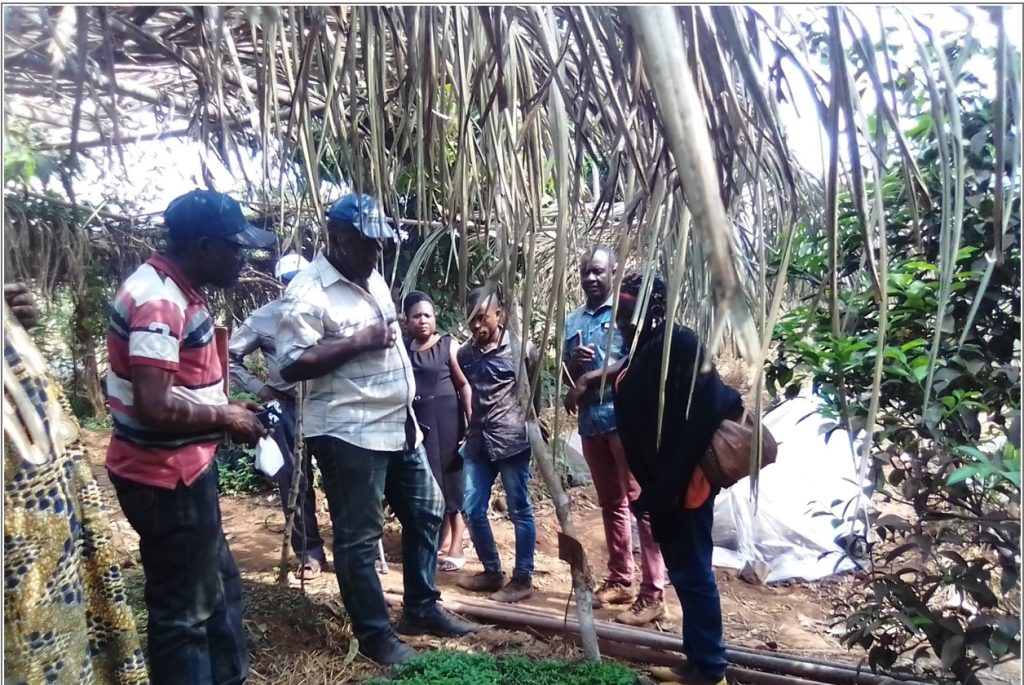
For an effective work to be done, the team in charge of this programme methodically started activities by establishing a proper plan and calendar of activities for nursery persons and farmers respectively. The essence of these calendars was to ensure that nursery persons nurse seeds at the right time so that they are planted at the right time, harvested at the right time and, of course, processed and delivered at the right time.
Production of Technical and Cultural Slips, Cost-Benefit Analysis for Cayenne and Artemisia
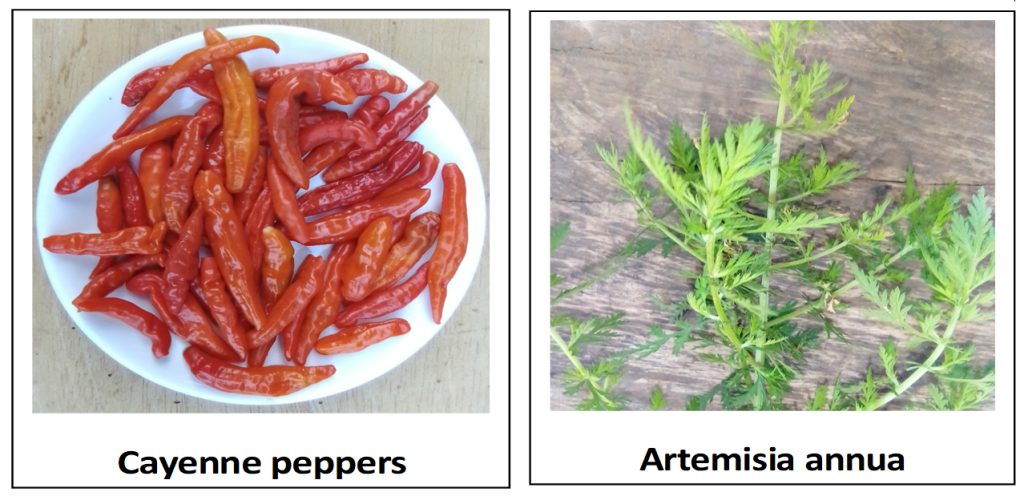 The team researched and produced technical and cultural slips for each of the crops. The importance of these documents was to ensure that the crops are planted in the right fields and under appropriate conditions, with the ultimate goal of maximising productivity and production. To demonstrate the profitability of each of the products, a detailed cost and benefit analysis was produced.
Selection and Training of Nursery persons
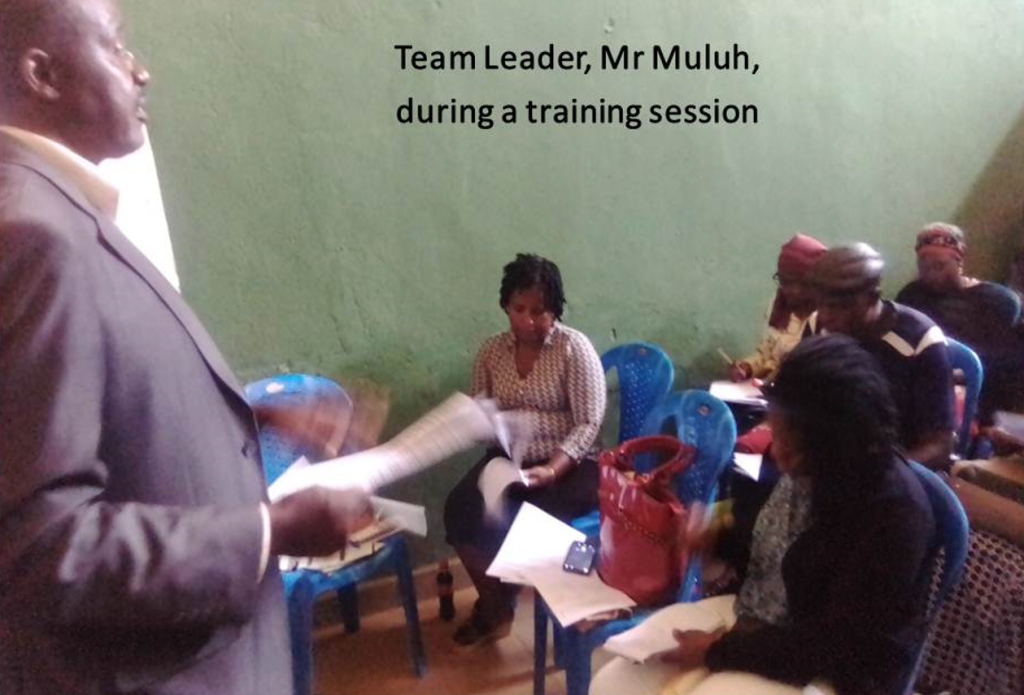 Upon planning and production of technical slips, we recruited nursery persons for the project. A total of seven (7) nursery men and women were recruited for the tasks of starting the agric value chain programme. We organised a total of four (4) training sessions to guarantee that the nursery persons produce good quality and disease-free planting materials.
Selection, Registration and Training of farmers
We mobilised a total of 253 farmers in the North West Region towards the take-off of the programme. We educated them on how the programme was planned to function. They asked questions which were answered satisfactorily. At close of the year, 21 farmers effectively subscribed to the programme, with a majority of them bracing up to enroll in the following year.
Distribution of Seeds and Establishment of Nurseries
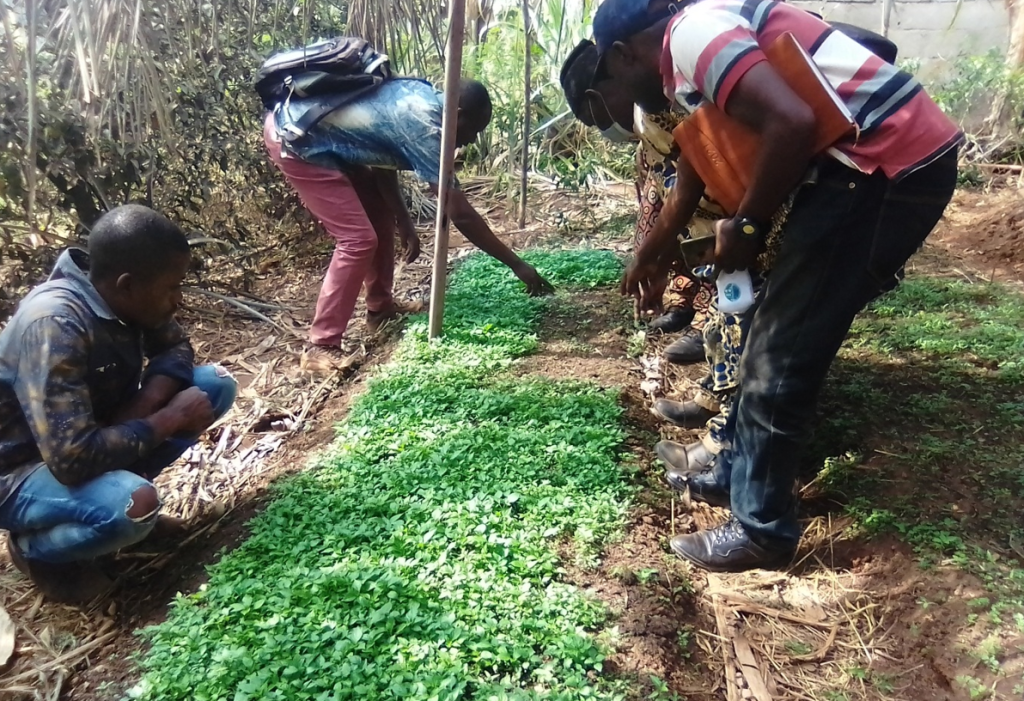 An initial set of cayenne pepper and artemisia seeds were procured and distributed to the recruited nursery persons. Accordingly, the team leader accompanied the nursery persons and nursed the seeds.
Selection and Training of Field Monitors
Field monitors are crucial for the success of the programme. Consequently, we recruited a total of 10 monitors. The main role of each monitor is to accompany each farmer to execute a tailored plan of action drawn up with that farmer. The monitor works with each farmer, follows up the use of financial and material resources supplied for his or her project, makes reports to the office and advises the office on the disbursement of funds for a defined set of activities on the individual plans of work. It is worth noting here that HAVACCUL finances activity by activity rather than making lump sums for the entire project. This ensures that financial resources are neither mismanaged nor misappropriated by the borrower farmer.
Marketing Arrangements
To safeguard and salvage an agricultural value chain programme, making marketing arrangements up fronts is a condition sine qua non for the smooth functioning of the entire chain of activities. The team has initiated a couple of marketing partnerships for the sales of cayenne pepper and artemisia products. We hope that the negotiations will lead to fruition in 2022 as cultivation activities will intensify with the full engagement of farmers.
Challenges
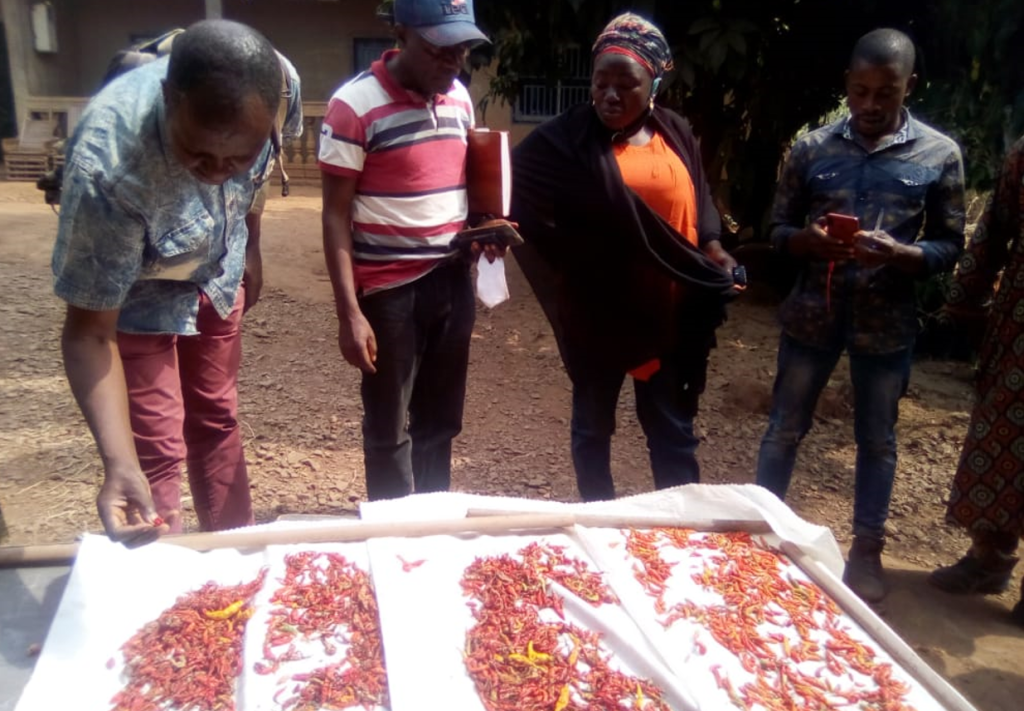 The main challenge faced by this programme has been to source for seeds both in terms of quality and quantity. Cayenne pepper in particular has many varieties with varying heat units or scoville values. The Scoville scale is a measurement of the pungency (spiciness or “heat”) of peppers. It tells us the level of concentration of capsaicin in the pepper. The higher the scoville rating, the hotter the pepper. In our case, we have been able land on a variety of cayenne with scoville heat unit of 350,000. Although the quantity of this great variety was limited, we engaged into a massive multiplication to rapidly make available more seeds subsequent years.